Category: Uncategorized

  • Why Denji is a Misunderstood Protagonist

    Why Denji is a Misunderstood Protagonist

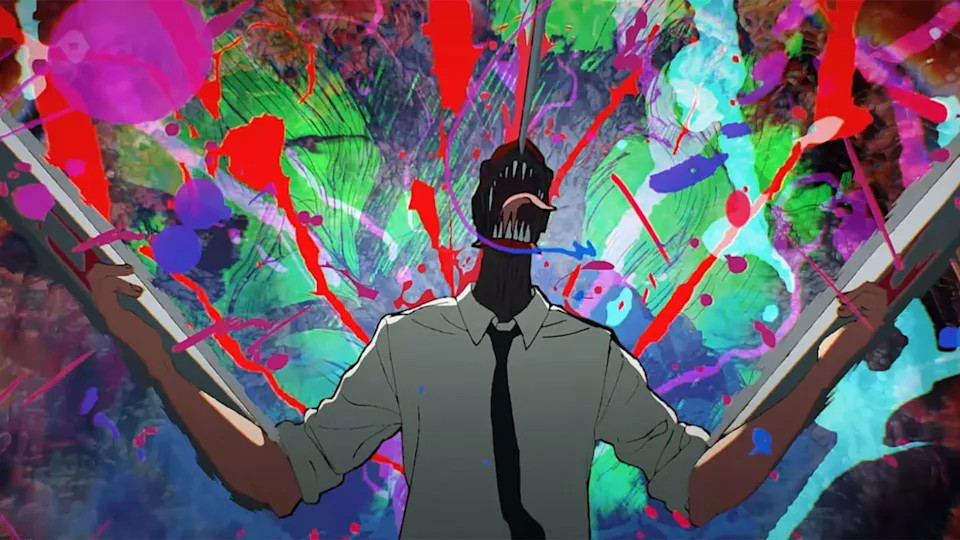
    Picking up a book called Chainsaw Man, you could assume that it’s just silly. I remember when I began reading, I thought it’d just be a fun story that some dude dreamt up in a fever dream and decided to make happen. What I was pulled into was much more than that, and even just the first chapter defied my expectations. It set the stage for a tale of tragedy and loss, personal struggle and above all else, a desire to be loved. Having caught up with the manga, my heart’s been twisted, stabbed, healed, happy, confused, lonely, and everything in between, but how could somebody make all of that happen in a story about a guy with chainsaws? Let’s look at the author.

    Tatsuki Fujimoto’s storytelling is considered some of the best that manga has to offer, and it is with good reason. Throughout his career, he’s made powerful and hard-hitting stories like the existential Fire-Punch and the artistically complex Look Back, and it’s safe to say that he utilized all of his storytelling skills in his ongoing series Chainsaw Man.

    I’ll assume you’ve read or watched some Chainsaw Man and understand the premise, and many people who have tend to have one key takeaway; Denji’s motivation is shallow. I mean, he just want’s to feel the touch of a girl, isn’t that kind of weird?

    It is weird, but there is absolutely so much that has come to manifest that goal of his. Denji had never felt love before- not from his family, he had no friends, had never been with a girl, and lived alone with Pochita. That’s all the love he had ever felt, and he was clearly desperate to feel valued by somebody, anybody. When Makima first took him under her wing, he felt cared for and that’s why he was madly obsessed with her. Not because she was attractive, but because he had a basic human desire to finally be safe.

    Denji’s background is what made the Reze Arc movie hit so, so hard. I went to see this movie (3 times) and it left nothing to be desired and, like many others, the film left me speechless and hurt.

    The Reze Arc was the story of two innocent lives made to be weapons, forced to fight one another.
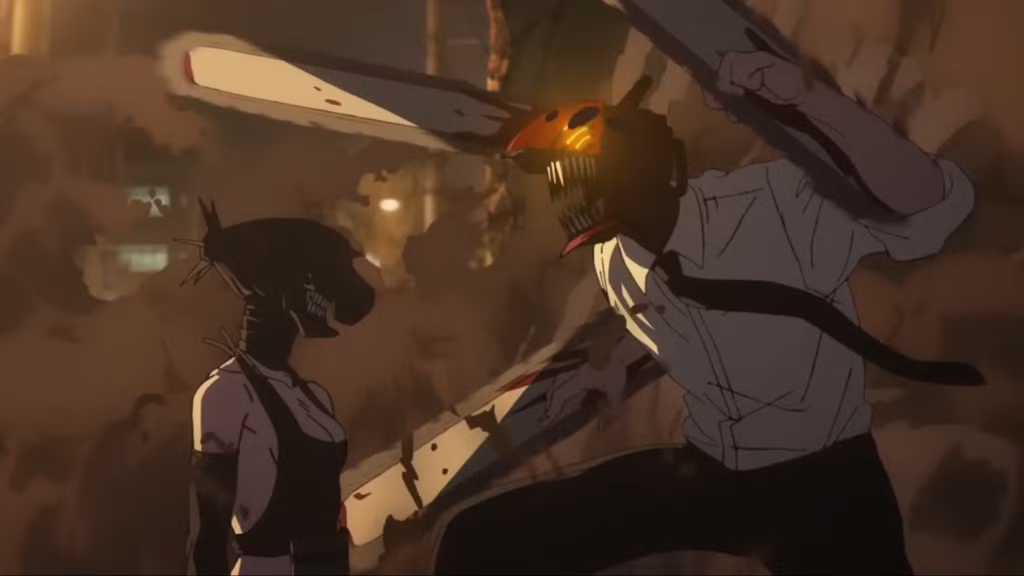
    Denji and Reze fell in love, thoroughly enjoying every moment of time spent together. Reze teaches Denji to swim, and he can’t stop thinking about her. Even after the two brutally fight, blowing through the city and endlessly hurting one another, they still wanted each other. Denji still wants her love even after they both wake up on that beach post-fight, and Reze makes a last minute decision to turn back from the train out of Tokyo to go see Denji.

    It’s foreshadowed through the metaphor of a spider and butterfly that Reze is trapping him through manipulation and deceit. Despite her mission to trap him, she is genuinely having fun- so much so, that she forgets her mission right up until she has to fight the serial killer that’s after Denji’s heart. She’s painfully reminded of what she was made to do.

    Denji is oblivious to Reze’s goal of killing him, and right up until the end of the movie, it’s hard to tell if she even wants to. After their fight unfolds, it’s revealed by Kishibe that Reze was raised in the Soviet Union, victim to a life of being experimented on by the military that most thought to be a fairy tale meant to scare kids. She was designed to be a weapon- the military having drained her of all of her innocence and liveliness.

    This upbringing sounds very similar to Denji’s. A teenager working for the government, raised to be a thoughtless weapon that didn’t get to experience that joys that life had to offer. That life is reflected in her last line: “Truth is… I’ve never gone to school either.”

    When that line was delivered, I think I heard somebody begin sobbing in the bottom row and honestly, I was close to tears too.

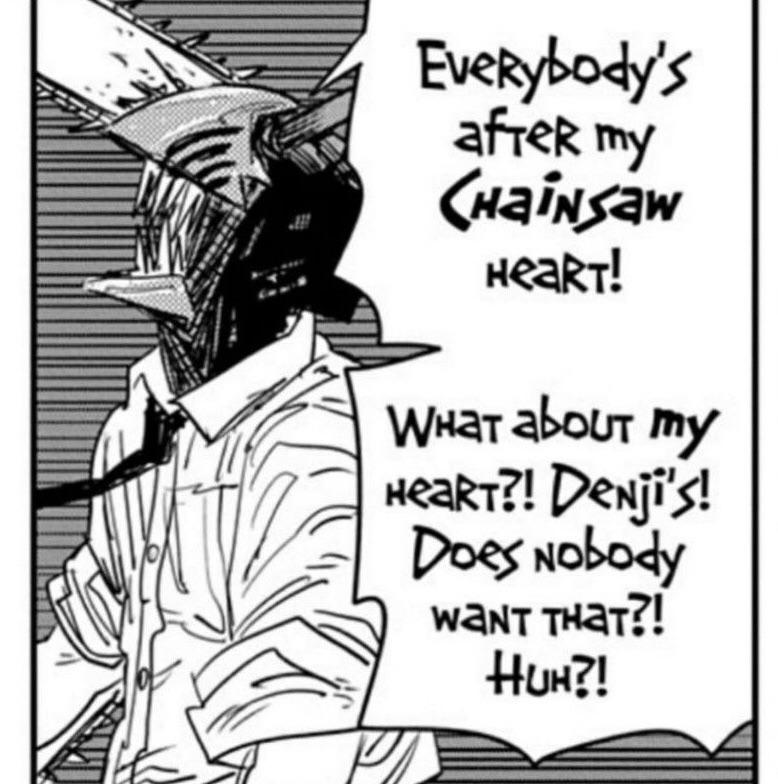
    Back to Denji and his mission to feel love, though, this was another slap in the face to him. He was under the impression someone loved him for who he was, but it all turned out to be another instance of him being solely valued for his chainsaws. Ryan Colt Levy, the English VA for Denji, said that his favorite line to deliver was an important one; “Every woman I meet tries to murder me!! Everybody’s after my Chainsaw heart! What about my heart?! Denji’s! Does nobody want that?!

    Denji shouted this after having gained conscious from Reze stabbing him and ripping his tongue out, and this has been his ongoing frustration through every. single. relationship. Makima exploited him because she wanted to see The Hero From Hell. Reze lured him into a trap to kill him because he is Chainsaw Man and she needed his heart. And just now, Yoru and Asa have mostly showed interest in him because he is Chainsaw Man. They grew to like him, but Denji can not seem to just find someone who loves him for who he is.

    It’s easy to dismiss Denji as an incel. And a gooner. And a degenerate. But here’s the thing.

    • Denji just wants human connection

    From the beginning, since he met Makima, he loved the way that he treated her like a human being. He had never been seen as one before, and that treatment was validating to him. That validation is why he set his heart out on her, not her looks.

    He turned down Himeno’s ask for intercourse and was truly just grateful to have a real friend. She had been the first person to open herself up to him and let him be honest to her in return. That’s why he was so pissed in his fight with Katana Man- he wanted revenge for his first real friend.

    In Denji’s relationship with Power, he understood that girls weren’t inherently sexual. He saw her as a sibling, living day to day with an earnest care and lover for her that wasn’t romantic. Denji even questioned why that was, but accepted that he just cared for her.
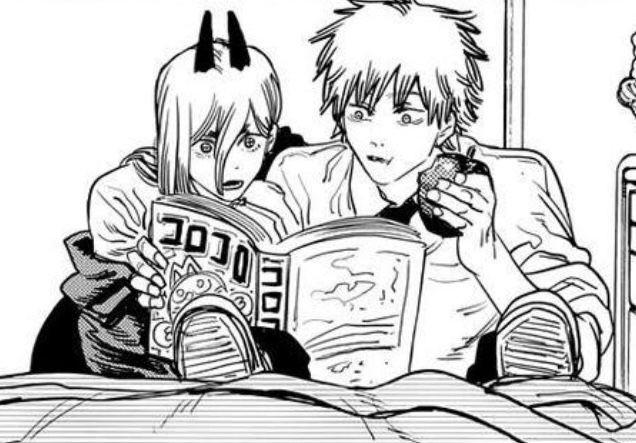
    • Denji often questioned himself, and most notably, questioned his own humanity.

    Throughout his journey, Denji worried about himself. On his date with Makima, especially, he began to wonder if being a devil hybrid began to make him lose his humanity because he didn’t feel from the movies they saw. When Makima told him he had one, that deepened his love for her. She knew how to make him feel human.

    That is why Denji is misunderstood. Because beneath all of the sexual humor and seemingly shallow motives, Denji wants more than anything to be recognized as a human being.

    Makima made him feel human and then tore it all down, having planned to emotionally ruin him from the beginning.

    Reze made him feel loved and then literally stabbed his heart, blowing him through buildings with the intention of taking his heart, purely for the chainsaw devil.

    Yoru is actively looking for ways to obliterate the Chainsaw Devil, and as its host, Denji is involved. Thus, he’s thrown through even more trauma, pain, and heartbreak to resolve more conflicts beyond his control.

    Denji is criminally misunderstood and while obviously he as a person has flaws, I think I’d be going through it, too, if I had my heart constantly broken and I was in pain constantly. His weakness is that he’s naive, and the Mafia boss was right that Denji is like a dog. Though, he’s a dog in the sense that he loves unconditionally, even when it’s naive.

    Denji needs the bare minimum. He needs to be told it isn’t his fault. He needs to be told he is loved. And he needs a damn hug.

  • What Risk Does RFK Jr. Pose?

    What Risk Does RFK Jr. Pose?

    Worm-landlord RFK’s confirmation as Secretary of the Department of Health and Human Services last January came as a justifiable shock to many people. The statements he makes are beyond uninformed, borderline imaginative. For people with autism, his confirmation meant misrepresentation, lies, and stigma. For scientists, his confirmation meant incompetent leadership and a war on science. For the public, it meant a newfound never-ending stream of misinformation and distrust in the government.

    Compared to presidential cabinets of the past, Trump’s is noticeably different. It consists of Fox News personalities, oligarchs, and radical conservatives. RFK Jr, however, was different. He ran as a third party on the ballot, advocating for greater research and action on climate change, but later on dropped both his campaign and his own ideals in exchange for safety with Trump. Like the Fox News hosts and rich men, he barely knows what he’s talking about. Unlike those two, he has the drive and motivation to act on what he believes- things like anti vaxxing, autism research, and bleaching.

    These past few months haven’t seen many victories for RFK Jr, however. Much of what he tries to do is extreme, so is blocked and then left abandoned.

    Recently he made the news, though: on June 9th, RFK fired every member of the CDC’s expert panel that advises immunizations, claiming that it will restore public confidence in vaccines. Yes, just like how when I close my eyes while I’m driving I become so much more confident in my ability to do so. Kennedy’s actions like firing key CDC staff spell fear for most Americans.

    With the countless other things dominating the news-space right now-Iran, Los Angeles Protests, No Kings- lets take a moment and look within the White House. One specific figure that Americans have grown increasingly frustrated with; RFK Jr.

    What do we have to be aware of with him leading the Department of Health and Human Services? Does what he say have any truth to it? And, crucially, how does his character reflect the current status of the Republican party?

    RFK Jr’s Goals

    Despite the notoriety he has gained, RFK Jr does have some respectable goals. For example, he cares deeply about making the food Americans eat less processed and more hearty. He also aims to make prescription drugs more affordable, and encourage transparency in pharma.

    What’s conflicting are his out-of-touch and truly uninformed goals. He has clear anti-trans policy, having made efforts to wipe the recognition of transgender and non-binary people from the White House. Perhaps most infamously, Jr. is also a devout anti-vaxxer. Having claimed that they cause autism and that they aren’t trustworthy, he’s proved that his platform isn’t entirely science-oriented as it’s advertised to be.

    Is His Word Dependable?

    No.

    Does he have medical background ?

    No.

    Is there logical reason behind his firings and policies?

    No.

    Has he used any credible research as grounds for his actions?

    No.

    Thank you for reading and have a good one.

  • Video Game Music Slaps

    Video Game Music Slaps

    In the movies and tv shows we watch, sound has an undeniably crucial role in creating emotion. Music of all kinds- suspenseful, joyful, sorrowful, exhilerating- envelop our ears to enrich the scenes that they accompany. I’d even argue that sound plays just as important a role as the visuals itself. If you disagree, just watch this clip from Star Wars: A New Hope.

    This is no different for video games. Just like film, games, in a way, help surivive classical music. Since the 70’s and 80’s, game music has branched out from the retro-bit limitation and sprung out into an uncountable, wildly varying plethora of songs. From BattleField to Mariokart, game soundtracks have become a genre in and of itself, with many subgenres under that umbrella.

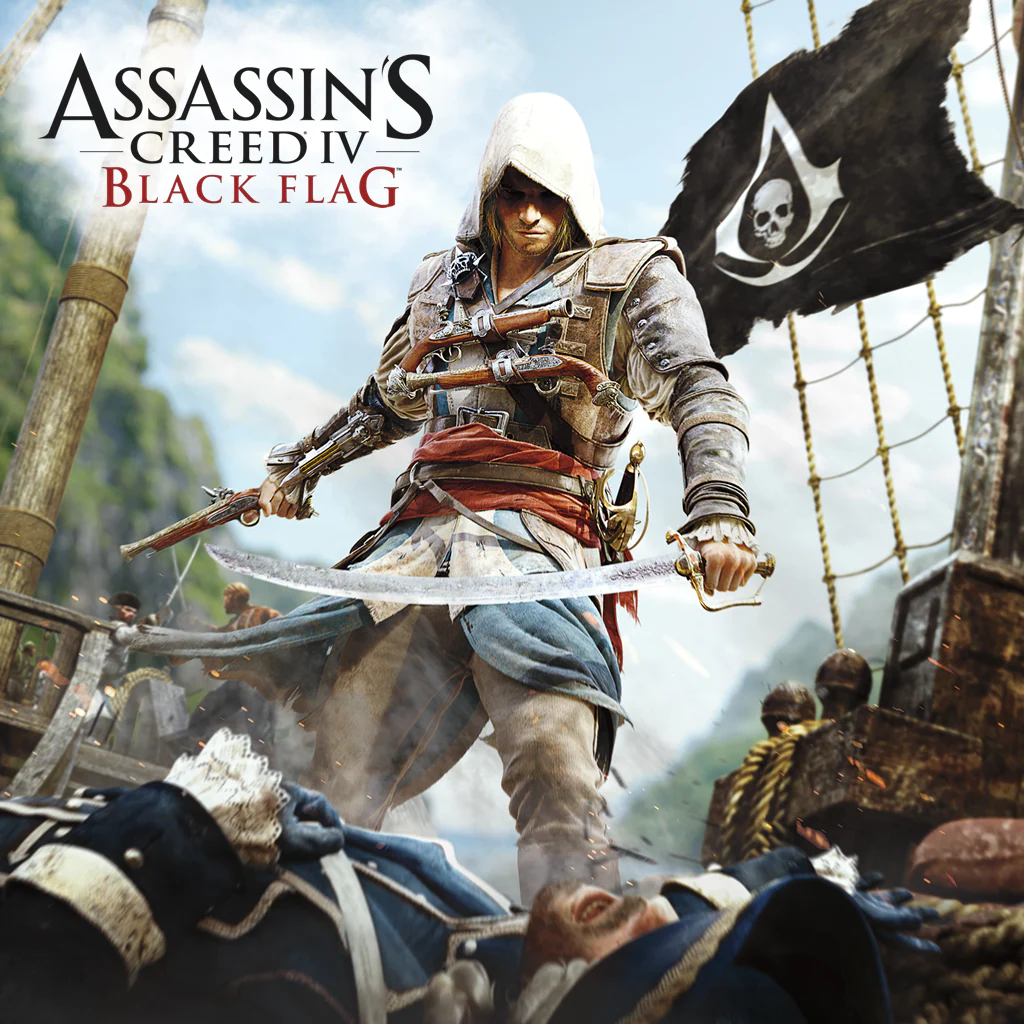
    In a research paper by Christoph Klimmt, it was found that there very much is a direct correlation between enjoyment and music. He writes “we test the hypotheses that soundtrack music contributes to players‘ enjoyment via intensification of emotions.” In his first study, Klimmt had 68 men play Assassins Creed: Black Flag in two groups: one with music and one without. After a few hours of playing, they were surveyed. “Findings clearly show an indirect effect of soundtrack music on enjoyment through positive emotions.”

    Personally, I notice I’m much more easily immersed in games that have powerful music backing them. When playing Minecraft, I’d sometimes just sit back and let the music sink in. C418 is recognized among most minecraft players as the man who helped make their childhoods, and so have deep respect for him. Sitting there in a calming world, listening to music that was just as ethereal as the game itself, I felt like I was experiencing it to its fullest. Other times, I would listen to a spotify playlist while building. Contrary to listening to the game’s built-in music, I would usually feel less emotion and not be as involved in the game.

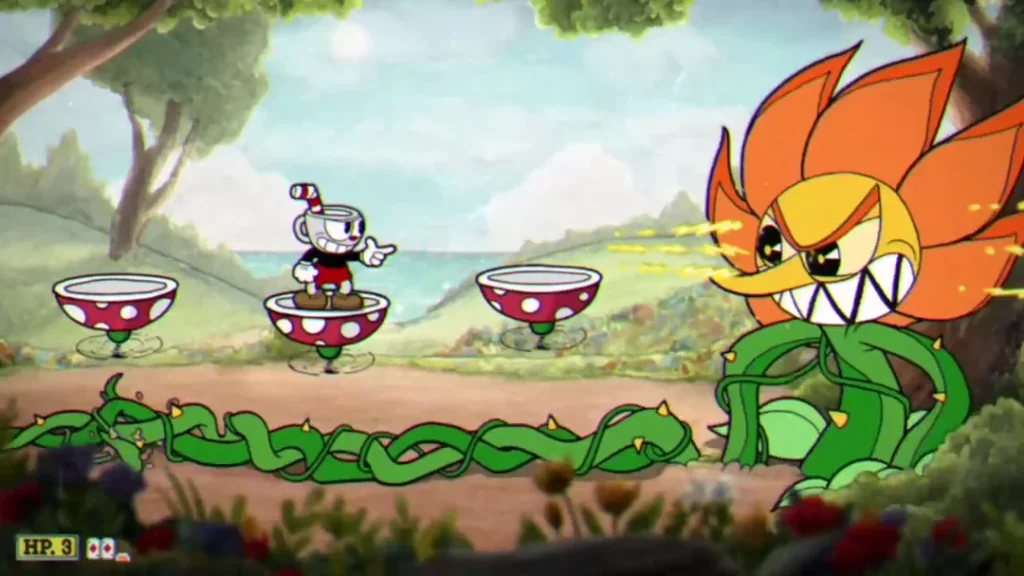
    Some soundtracks even hold on their own outside of their video games. While making the soundtrack for Cuphead, Kristofer Maddigan, said on an interview with GameLark “listening was the key, y’know. I listened to thousands and thousands of [classical jazz compositions]… I got as many books as I could… Learned about a lot of composers, learned a lot from Duke Ellington.” The product of Maddigan’s studying and hard work to replicate that “big band jazz” style was the soundtrack we got; nearly three hours of true jazz.

    Here’s Floral Fury, Carnival Kerfuffle, and Railroad Wrath.

    A Syncopated Times critic wrote “The more than 30 musicians involved are all quality players and a sense of individuality comes through, especially on the solos. Yes, jazz improvisation on a video game soundtrack. You can easily enjoy this as an album without ever seeing the game.” He is absolutely right- in 2017, Maddigan made jazz band music mainstream again through a video game.

    Going back to what Klimmt and his studies, he mentioned that the music was directly responsible for the “intensification of emotions.” I think we all feel that effect of music, wether its through television or the radio, music brings out feeling.

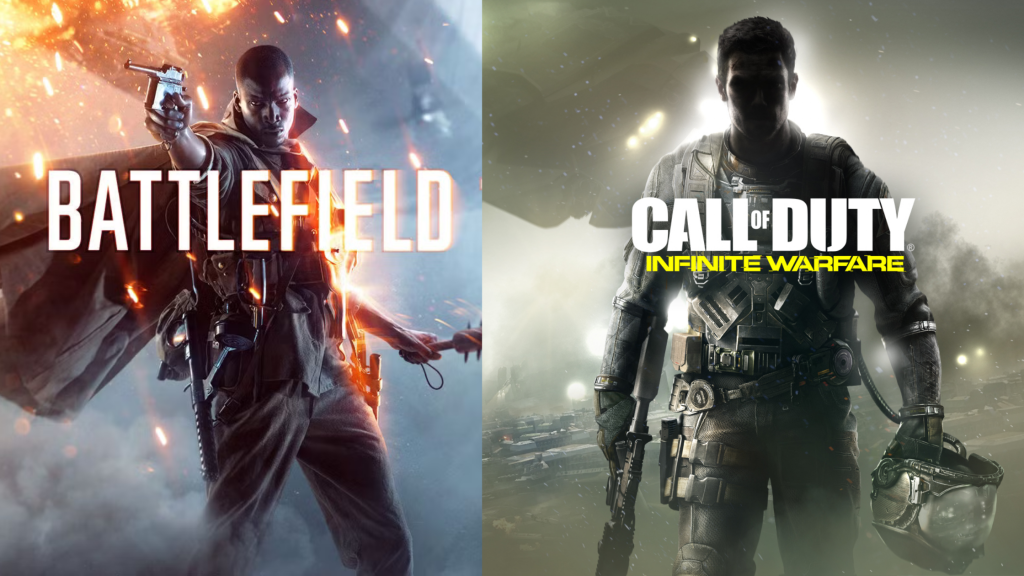
    Two games that I felt excelled at this were BattleField One and Infinite Warfare. There are a certaintly others that have as well, such as Hollow Knight, Celeste, and Elden Ring, but lets focus on those first two.

    BattleField One‘s sole purpose is to demonstrate the horrors of war. Upon release, the game’s campaign was praised for its themes: humanity, loss, conflict, and war, to name a few. On top of that, the story was told through five different perspectives across five different missions. A Tank Crew defending France, Foot Soldiers invading a beach, a British Fighter Pilot, a PTSD-ridden veteran experiencing flashbacks, and a messenger following a naval invasion.

    In the first mission, a stunning monologue is given by a veteran with his perspective on war. You transition from person to person, fighting until you’re overcome and killed as he details the unforgivingly harsh reality of war.

    The narrators point is made especially clear through the music; war brings needless suffering. Here’s The Four Horsemen, what I think to be one of the game’s hardest hitting tracks.

    Whereas many games have glorified and saturated the idea of war, Battlefield One stood out. DICE was on a mission to tell a story, through and through. It wished to expose the human suffering and make known what happened, tackling philosophical subjects and censoring nothing. Johan Soderqvist, composer of the soundtrack, told that story alongside them through his music.

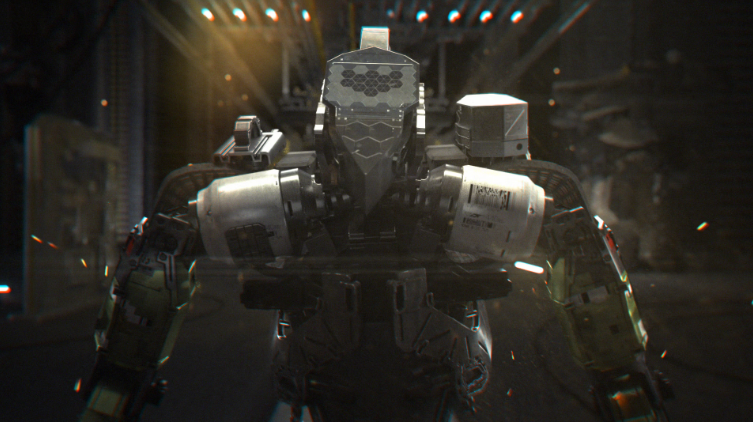
    Similarly, Call of Duty: Infinite Warfare wanted to be more real with its messages. The game certainly did saturate the concept of war, filling it’s multiplier with brightly-colored weapon skins and even comedian Ken Jeong as an announcer (best purchase of my life), and because of that, Infinite Warfare was massively overhated. but the campaign is something everyone can agree on.

    The story revolved around a man leading an underdog rebel coalition against an evil empire, the SDF. It’s a similar story to Star Wars, but an entirely different universe. In this one, militaries have begun turning humans into robots to fight for them- rigging them as weapons. The entire solar system is being fought over, space being the common ground for most of man. Earth is regularly under attack and heavily controlled by the SDF, and the fighting is never-ending.

    These circumstances create a certain feel. When I played, I felt daunted, intimidated by the massive threat of the SDF. I also felt a breathtaking sense of loneliness caused by the lack of humanity in this universe-the militarization of the entire galaxy.

    Infinite Warfare’s soundtrack echoes that. Loneliness rings out from every note, the feelings of fear and hope overtaking you every time you sit down to play. In the past decade, Call of Duty games have taken more commercialized, poppy approaches to their feel, but Infinite Warfare remains true to its own purpose: desolate yet powerful.

    Here is Anthropic Universe and Terrible Resolve.

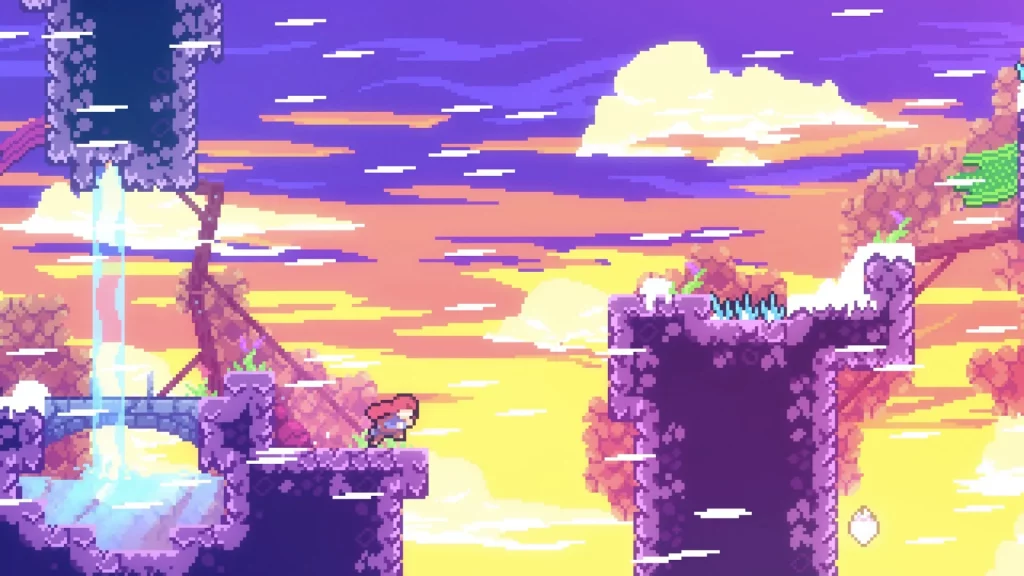
    Speaking of desolate and powerful, the Celeste soundtrack by Lena Raine shocked its listeners with feeling. Each song perfectly captured the mystique of the mountain the game took place on, the protagonist battling her way through mental health struggles as she stood determined to climb to the top of the peak. The entire experience stood as a metaphor for reaching a healthy mental state, and thus, Celeste and its soundtrack received incredible recognition. The soundtrack was nominated for “Best Score/Music” at The Game Awards 2018 and won the ASCAP Video Game Score of the Year in 2019. Here’s Resurrections, written by Lena Raine who went on to produce music for Minecraft.

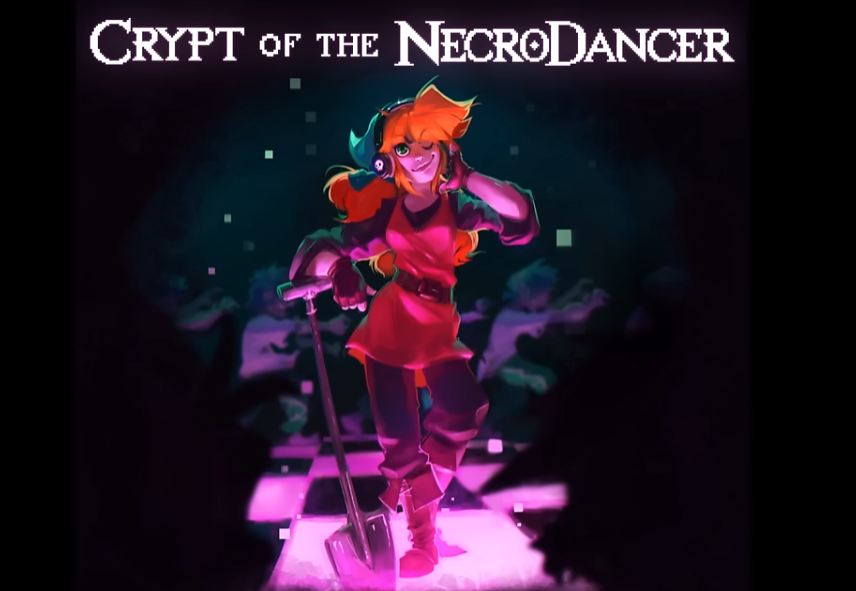
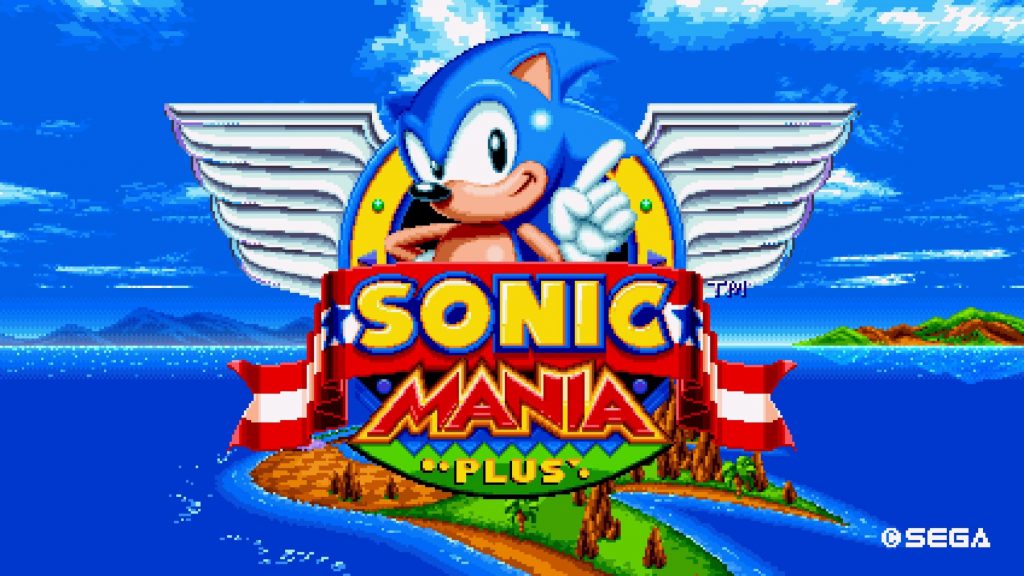
    There are countless soundtracks written to be emotionally impactful, and just as meany meant to be just plain fun. Rhythm, action, and platformer games often have music designed just for your enjoyment with out too much depth to them. Crypt of the Necrodancer, Sonic Mania, and Bayonetta are some honorable mentions for this category of straight fun. These are some games that feature fast paced, melodically ingenius soundtracks bursting with sound. I’m just going to throw some classics from each game here.

    Crypt of the Necrodancer was one of the most entertaining rhythm games I’ve ever played. It features a 42-song soundtrack filled with action, excitement, and really neat retro-style soundfonts. It’s a perfect rhythm-dungeon-crawler that combines the two styles seemlessly. Whats more is that the music is interactive, meaning that your actions in the game effect the music. For example, when you move onto a slow-button, the song slows and consequently, your movement.

    Here’s Disco Descent and Cryptique.

    Sonic Mania has the same kind of thing going; a smoothed out retro-style soundfont with fast paced beats. The style stays true to its roots but maintains a new feeling of excitement not yet felt in the sonic series. Most of these songs hold up on their own, as well.

    Here’s the infamous and thrilling Green Hill Zone and Hydrocity Zone Act 1

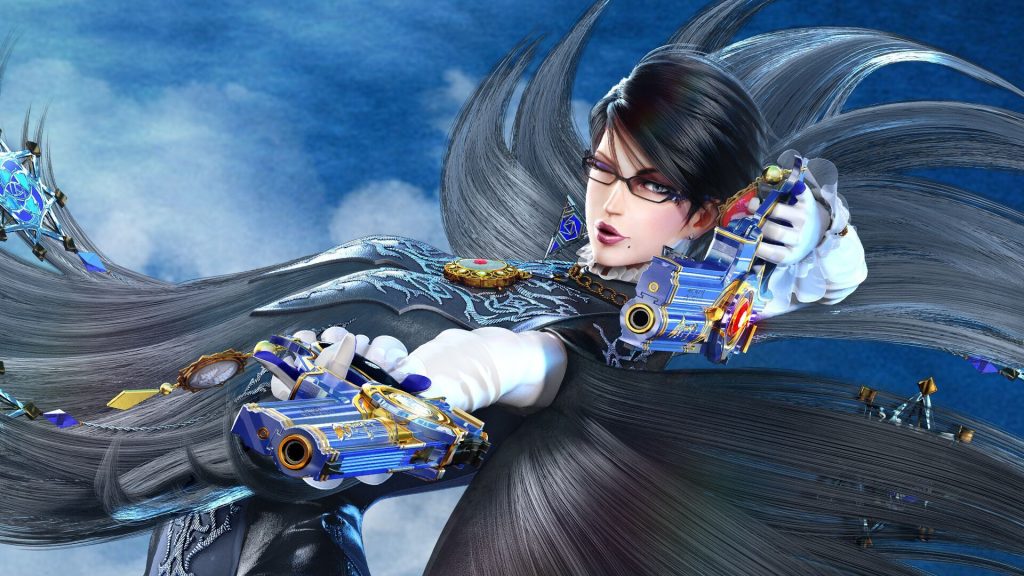
    One of my personal favorite soundtracks of all time includes elements from all of these games mentioned previously: the Bayonetta soundtrack. Centering around an umbran witch, the music fits her personality and is rich with classy instrumentals and clear vocals. The tempo keeps up to the tensity of the moment, and music in the Bayonetta games propel you through the energetic and ecstatic nature of its gameplay.

    Here are the fast-paced and jazzy Riders of the Light, Let’s Hit the Climax, and Let’s Dance, Boys!

    I can’t write an article about video game music without mentioning Toby Fox. A composer and video game developer, he alone has made soundtracks that will live in people’s minds forever. With his 2015 release of Undertale, he and his music blew into popularity. The game’s characters were iconic, well written, and so memorable that even a decade later, the game has a devoted fanbase. Accompanying the characters is a soundtrack written mostly for them, suiting each of their personalities and providing you, the player, background music to feel goosebumps over.

    Even the music from his newer game, Deltarune, which is still receiving new chapters, has blown up and retained Toby Fox’s quality. His music isn’t just music, it’s culture for many. It’s a cornerstone of their childhoods, helping them cope, grow, and have fun.

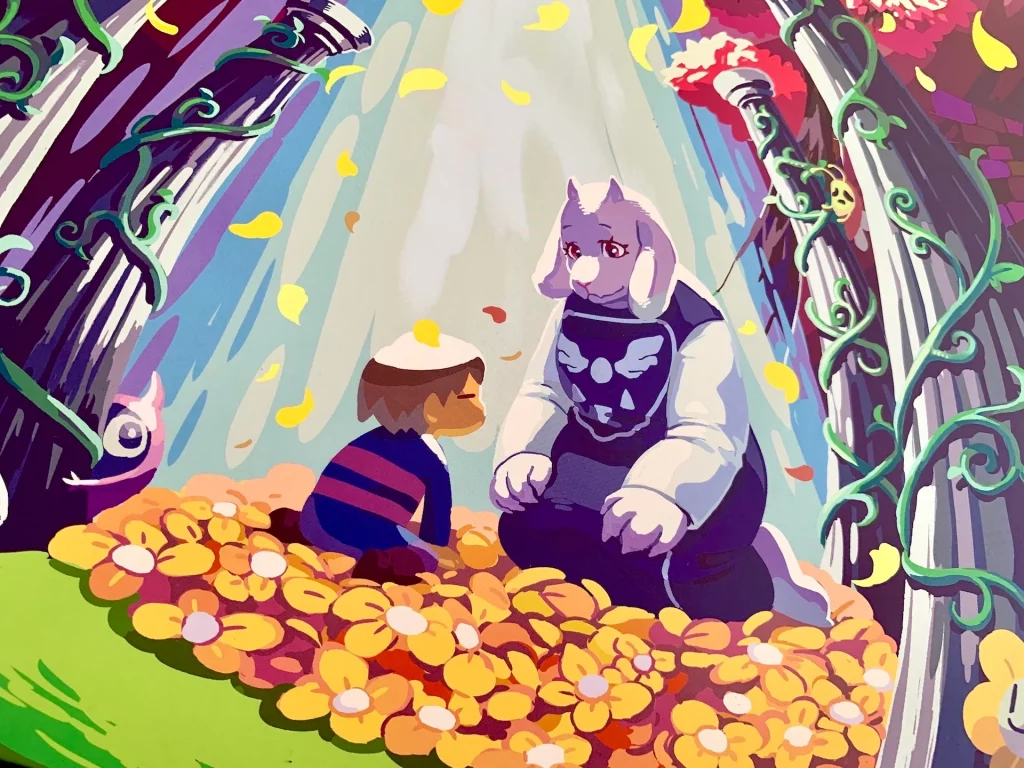
    Cant find credit for this fanart but it’s amazing.

    Here are some of my favorites of his: Bonetrousle, Dummy, Bergentruckung, My Castle Town, and Field of Hopes and Dreams

    Every piece has such personality to it, and Fox knew what he was doing. Bonetrousle reflected Papyrus’ charismatic personality, Dummy captured the Dummy’s erratic nature, Bergentruckung was the beginning of the end, signifying an emotionally heavy climax for the story as you face the king.

    In Deltarune, My Castle Town filled you with a sense of peace and Field of Hopes and Dreams ignited your ambition to start a journey. Without these songs, without such iconic soundtracks, Fox’s games would lose character- they’d lose a lot of their charm. He knew how important it was to create memorable music.

    I’ve yapped a lot, but the bottom line is this: music from video games is music, no less than any other kind. The people who devote themselves to making memorable songs for the world to enjoy should be recognized, and we can thank them for bringing out the stories that they’ve designed the music for.

    Sit back to listen to these other world’s otherworldy music, and feel the beauty behind it.